Welcome to our comprehensive guide to UK traffic signals! In this engaging and informative blog post, we’ll discuss everything from the importance of understanding traffic signals to the innovative technology that’s changing the way we navigate the roads. So buckle up, grab a cup of tea, and let’s get started!
Introduction: Why Understanding UK Traffic Signals is Important
Have you ever wondered why understanding UK traffic signals is so crucial for road users? Traffic signals play a significant role in keeping our roads safe and preventing accidents. Whether you’re a driver, cyclist, or pedestrian, understanding traffic signals is essential for staying safe on the roads and respecting the rules. Remember, knowledge is power – and in this case, knowledge can save lives!
Fun Fact: The first electric traffic light was installed in London in 1868 near the Houses of Parliament, but it exploded a month later, injuring the operator!
What Do UK Traffic Lights Mean? A Comprehensive Guide
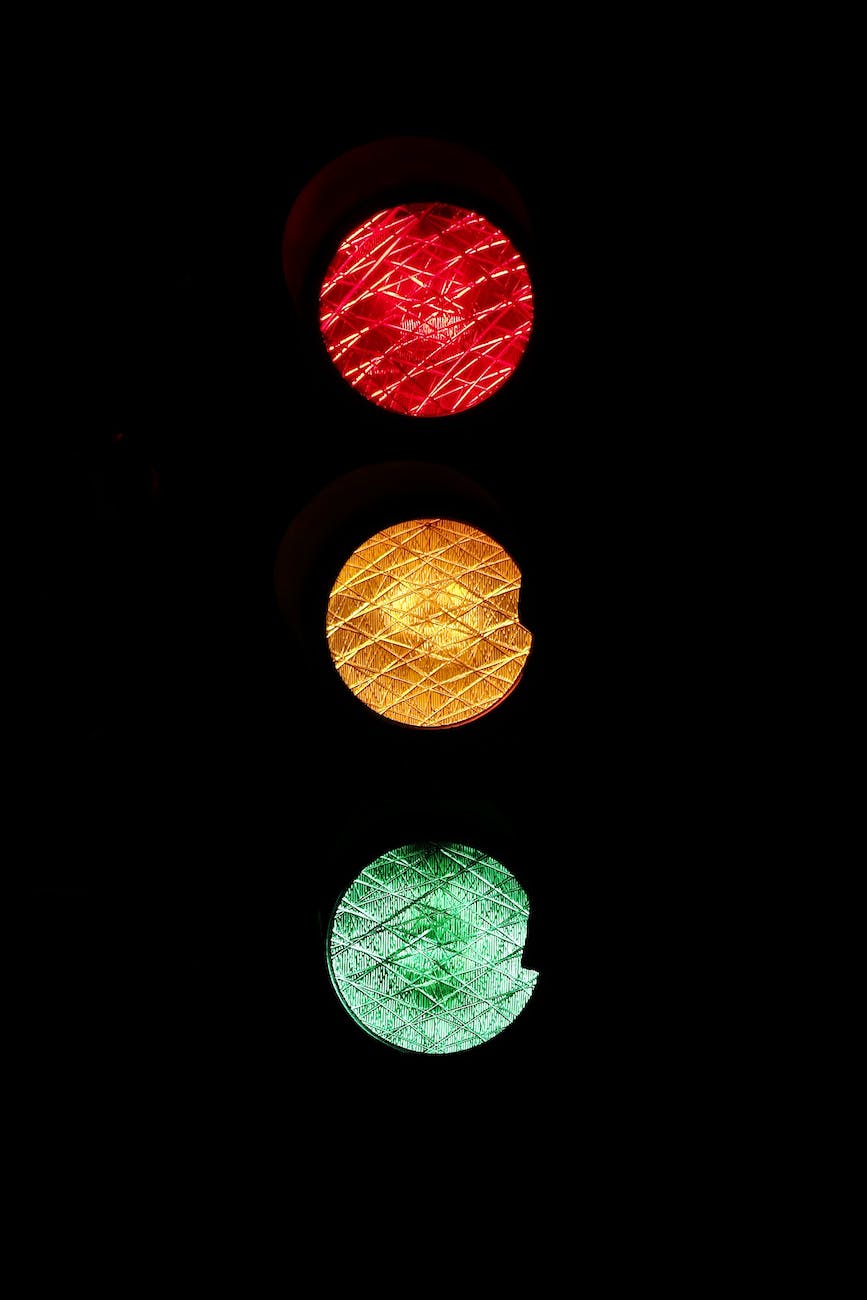
UK traffic lights follow a simple and standardized sequence. Here’s a quick rundown:
- Red: Stop and wait behind the stop line.
- Red and Amber: Prepare to move, but do not cross the stop line until the green light shows.
- Green: Proceed with caution, giving way to pedestrians and checking for oncoming traffic.
- Amber: Stop if you can do so safely; otherwise, proceed with caution.
Understanding UK Traffic Sign Shapes and Colors
Traffic signs in the UK come in various shapes and colors, which provide essential information at a glance. Here’s a quick guide:
- Circles: Circles usually indicate a regulation or requirement, such as speed limits or no entry signs.
- Triangles: Triangular signs warn of potential hazards, such as roadworks or slippery surfaces.
- Rectangles: Rectangular signs provide information or guidance, such as directions or parking regulations.
Colors are also significant, with red signs indicating danger, blue signs for guidance, and yellow or amber signs for warnings.
Road Markings and Their Significance in UK Traffic Signals
Road markings are an essential aspect of UK traffic signals, guiding road users and providing vital information. For example:
- Solid white lines: These separate lanes and indicate that you should not cross them.
- Broken white lines: These divide lanes and can be crossed when it’s safe to do so.
- Double yellow lines: No waiting or parking at any time.
- Zigzag lines: Found near pedestrian crossings, indicating no stopping or overtaking.
Tips for Pedestrians: Navigating UK Traffic Signals Safely
As a pedestrian, it’s crucial to know how to navigate traffic signals safely. Here are some tips to help you stay safe:
- Always use marked crossings when available, such as zebra, pelican, or puffin crossings.
- Wait for the green man signal before crossing at traffic lights.
- Always look both ways and listen for traffic before crossing the road.
Common Misunderstandings of UK Traffic Signals: Debunking Myths
There are some common misconceptions about UK traffic signals. Let’s debunk a few:
- Myth: You can turn left on a red light if the way is clear. Truth: Turning left on a red light is illegal in the UK.
- Myth: Flashing your headlights always means “I’m giving way.” Truth: Flashing headlights can have various meanings and should be used with caution.
Roadworks and Temporary Traffic Signals: What to Look Out For
Temporary traffic signals are often used during roadworks to control the flow of traffic. It’s essential to be extra vigilant in these situations, paying close attention
to the temporary signals and any road markings. Here are some tips to help you navigate roadworks safely:
- Slow down and approach with caution.
- Follow any temporary signs or road markings.
- Be prepared for sudden stops or changes in traffic flow.
- Be aware of any road workers or machinery in the area.
How Technology is Changing UK Traffic Signals: Smart Traffic Management
Advancements in technology have led to the development of smart traffic management systems. These systems use sensors and data analytics to monitor and manage traffic flow in real-time. This allows for more efficient use of road space and reduces congestion, making our roads safer and more sustainable.
Fun Fact: The world’s first traffic management center was established in London in 1965. It used closed-circuit television to monitor traffic and coordinate signals.
Conclusion: The Importance of Knowing UK Traffic Signals for Road Safety
In conclusion, understanding UK traffic signals is essential for road safety. Whether you’re a driver, cyclist, or pedestrian, knowing the meaning of traffic signals, road markings, and signs can help you stay safe and avoid accidents. Additionally, keeping up-to-date with advancements in traffic management technology can improve the efficiency and sustainability of our roads. So, let’s stay informed, stay safe, and enjoy the ride!
 HighWays Hints
Leave a comment